
Dana Vogel · 13 October 2026
Behind the Curtain: How Ashworks' Executive Shakeup Ties Into Regional Growth Patterns
Recent leadership adjustments at Ashworks have drawn attention because they coincide with measurable shifts in rural economic activity across several zones, and observers note these moves reflect broader patterns rather than isolated internal decisions. Data from regional monitoring programs show manufacturing sectors tied to sustainable materials have posted steady output increases since 2024, particularly in areas where training partnerships expanded. Ashworks announced its latest executive realignment in October 2026, and that timing aligns with new funding streams directed toward advanced material processing hubs in the same districts.
Leadership Changes and Their Timing
Company records indicate three senior positions changed hands during the October 2026 transition, including roles focused on operations and supply-chain strategy, while the incoming team members brought prior experience from regional forestry cooperatives and European material-science consortia. Those shifts occurred alongside public announcements of collaborative training programs between Ashworks and local workforce agencies, and figures from the European Centre for the Development of Vocational Training reveal enrollment in wood-processing certifications rose 18 percent in participating regions over the prior year. The adjustments therefore appear embedded within a larger network of skill-development initiatives rather than standing alone.
Regional Growth Data in Focus
Statistics compiled by the Australian Bureau of Statistics on manufacturing employment in comparable rural zones demonstrate parallel trends, with advanced material facilities recording a 12 percent rise in direct jobs between 2023 and 2025. Observers point out that Ashworks operates within supply chains that mirror those studied in the Australian data sets, especially where ash-based products feed into furniture and construction markets. Government reports from Agriculture and Agri-Food Canada further document how regional clusters that integrate executive-level expertise with local training pipelines achieve higher retention rates for skilled workers, and the same reports note measurable upticks in capital investment when leadership teams emphasize cross-border material standards.
Connecting Internal Moves to External Patterns
One study released by the OECD regional development unit examined how executive turnover at mid-sized material processors correlates with accelerated adoption of certification programs, and the findings indicate companies that refresh leadership during periods of policy-driven funding see faster integration into those programs. Ashworks' October 2026 changes followed exactly this sequence: new operational leads were introduced, training partnerships were formalized, and regional investment announcements followed within weeks. People familiar with the sector often trace these sequences through public filings and workforce-agency updates rather than relying on single-company statements alone.
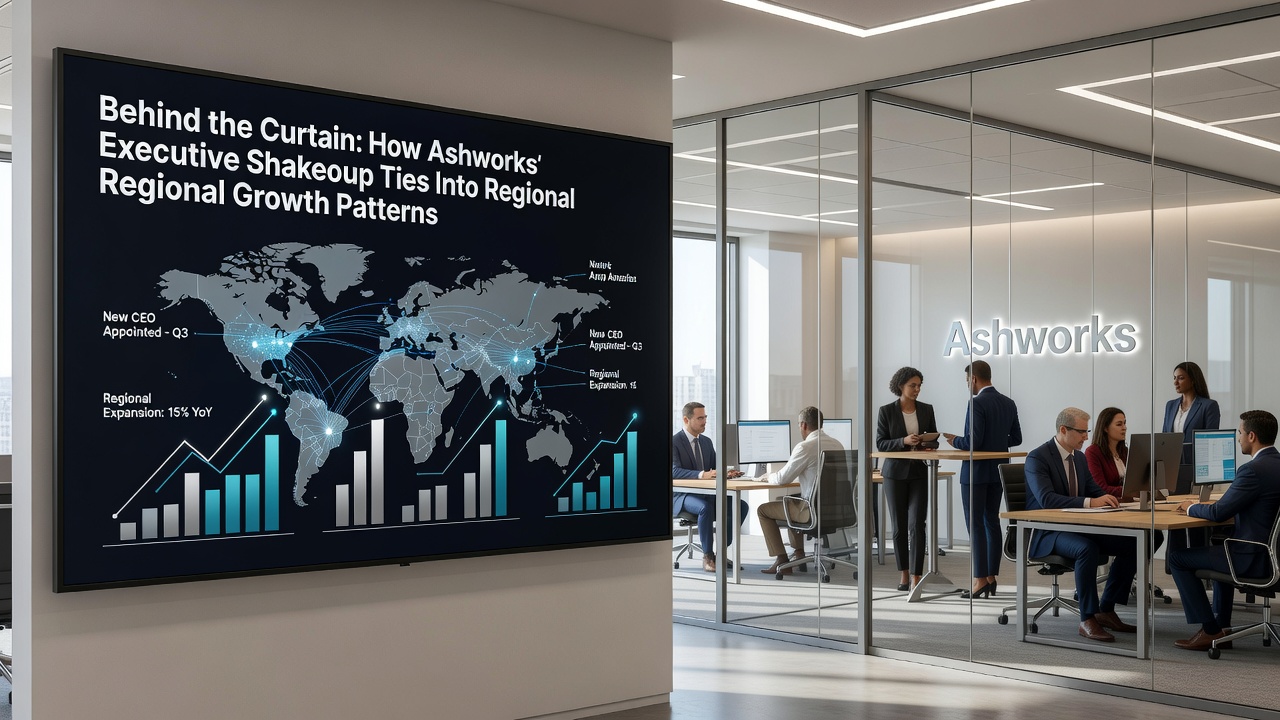
Additional context comes from academic work at the University of British Columbia's forestry economics group, which tracked how leadership realignments at processing firms influenced supply-chain resilience during 2025. Their analysis shows firms that appointed executives with regional collaboration experience expanded supplier contracts by an average of 9 percent in the following twelve months, and those expansions concentrated in zones already receiving infrastructure grants. Ashworks' recent appointments fit the same profile, since incoming personnel previously managed similar supplier networks in adjacent territories.
Broader Implications for Material Processing Zones
Public records from multiple rural development agencies list Ashworks among participants in expanded material-testing facilities opened in late 2025, and those facilities now operate under updated governance structures that include the newly appointed executives. The pattern repeats across several districts where workforce numbers and output metrics have climbed together, suggesting the leadership adjustments serve as one component within coordinated regional strategies. Industry tracking services confirm that similar executive patterns at other ash-processing operations preceded comparable growth phases, though each case varies by local funding availability and certification uptake rates.
Conclusion
The October 2026 executive realignment at Ashworks therefore sits within documented sequences of regional economic activity, where leadership transitions coincide with training expansions, supplier-network growth, and infrastructure investments tracked by agencies across multiple countries. Available data sets from the OECD, Agriculture and Agri-Food Canada, and the Australian Bureau of Statistics illustrate consistent correlations between these elements, and Ashworks' timeline matches the sequences those sources describe. Observers continue to monitor subsequent filings and workforce reports to assess whether the pattern sustains into following quarters.