Dana Vogel · 29 September 2026
European Ash Processing Adapts Through Expanded Training and Regional Collaborations in Rural Zones
Across several European countries ash wood processing facilities have begun integrating structured training programs alongside partnerships with local organizations, and these efforts have started altering operational patterns in rural manufacturing zones since the early 2020s.
Current Patterns in Ash Material Handling
Data from regional forestry reports indicate that ash wood remains a key resource in construction, furniture components, and specialty products, while processing sites in France, Germany, and Poland have recorded shifts in workforce composition and equipment usage over the past five years. Researchers at institutions monitoring timber supply chains note that rural facilities now allocate portions of their schedules to skill development sessions rather than continuous production runs, and this adjustment coincides with updated equipment standards introduced by national forestry agencies.
Local partnerships have emerged as a consistent factor in these adjustments because community groups and vocational centers supply both instructional content and equipment access that individual plants often lack. Observers tracking rural economies point out that such collaborations allow smaller operations to meet certification requirements without relocating to urban hubs, and this dynamic has kept certain processing lines active in villages that previously faced closure risks.
Training Program Structures and Their Reach
Training initiatives typically combine classroom modules on material grading with hands-on workshops covering kiln drying techniques and CNC routing for ash boards. Figures released by the European Centre for the Development of Vocational Training show enrollment in timber-related courses rose by 18 percent between 2023 and 2025, with rural participants accounting for a growing share. These programs often run in partnership with regional technical colleges that adapt curricula to match the seasonal availability of ash logs, thereby reducing downtime during harvest peaks.
Participants learn to operate scanning systems that detect defects early in the milling stage, and this knowledge has contributed to measurable reductions in waste volumes at participating sites. One documented case in the Carpathian foothills involved a cooperative that paired its seasonal workers with forestry extension officers, resulting in standardized grading practices across three separate villages within a single calendar year.
Partnership Models Reshaping Operations
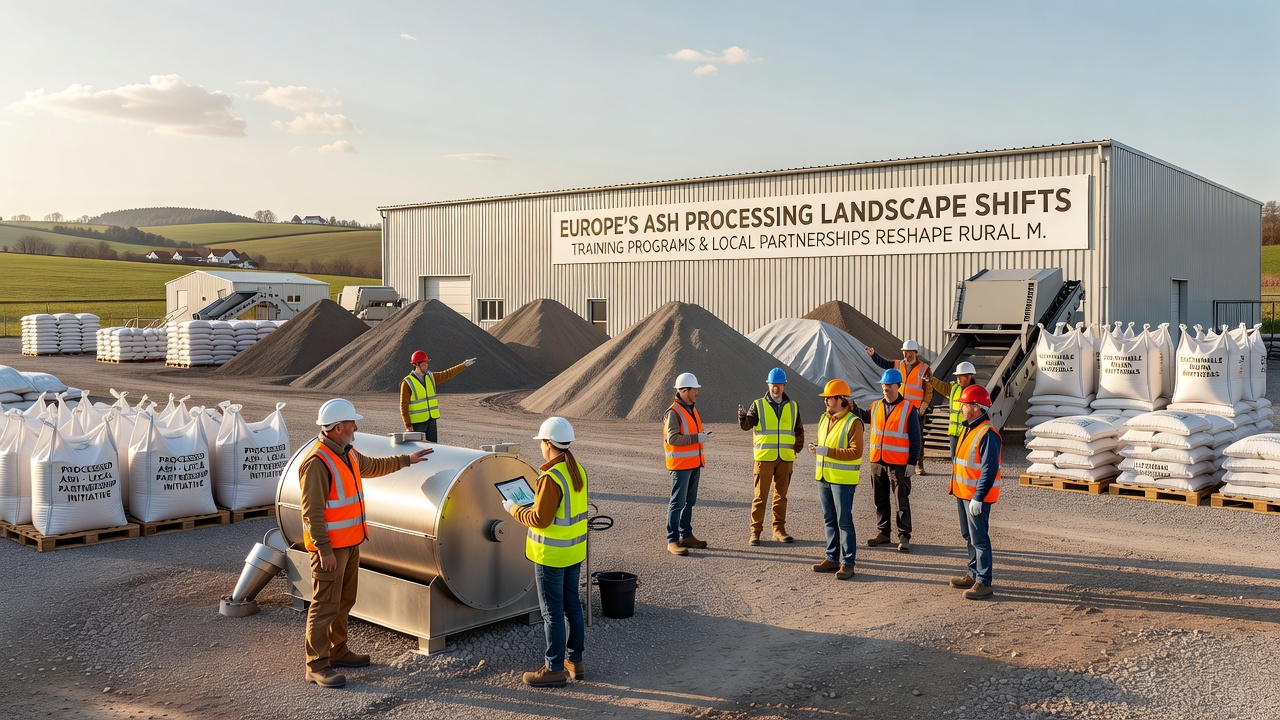
Local alliances frequently involve municipal governments, sawmill owners, and agricultural cooperatives that share logistics networks for transporting both raw ash logs and finished components. According to records from the Food and Agriculture Organization's European forestry division, these arrangements have enabled smaller processors to access bulk drying capacity that would otherwise require substantial capital investment. In several documented instances, joint purchasing agreements for safety equipment and software licenses have lowered per-unit costs while maintaining compliance with updated EU timber regulations.
September 2026 is scheduled to mark the rollout of an expanded monitoring framework under the EU Rural Development Programme, and preliminary briefings indicate that participating regions will report on training completion rates alongside production metrics. Analysts following these developments expect the data to clarify how partnership density correlates with retention of skilled labor in remote areas.
Effects on Rural Manufacturing Workflows
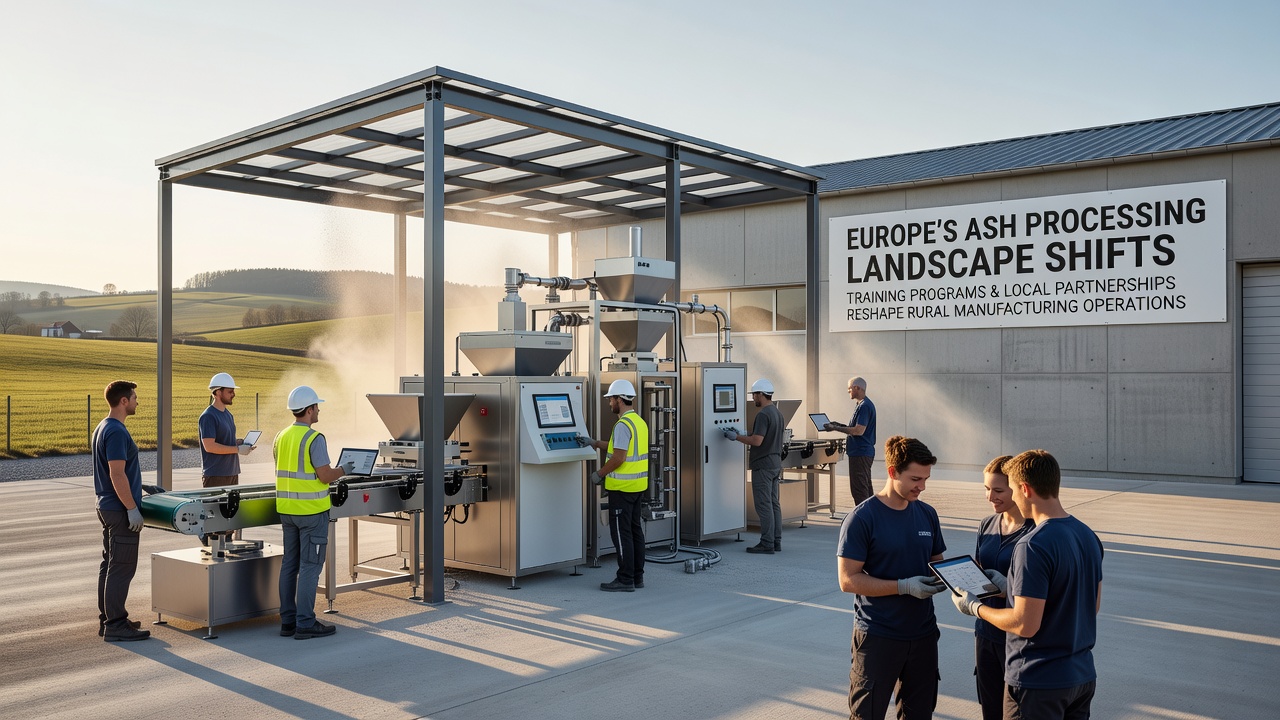
Manufacturing sequences at rural ash facilities now incorporate dedicated time blocks for cross-training, and this practice has altered shift patterns in facilities that once ran continuous operations. Evidence gathered by the Northern European Forest Research Institute suggests that plants adopting these schedules report steadier output during equipment maintenance periods because backup operators possess verified competencies. Partnerships with nearby secondary schools have further supplied entry-level candidates who complete apprenticeships before full-time placement, reducing recruitment cycles that previously stretched across multiple months.
Equipment upgrades tied to training outcomes include digital moisture meters and automated sorting conveyors, and these additions appear more frequently in sites that maintain formal ties with technical institutes. Data compiled through national statistics offices across Scandinavia and the Baltic states show a gradual narrowing of productivity gaps between rural and peri-urban ash processors during the same period when training participation increased.
Outlook and Scheduled Developments
Continued expansion of these training and partnership models depends on sustained funding streams from both national budgets and EU structural funds, while regional authorities continue to evaluate outcomes through standardized reporting templates. Observers note that facilities maintaining active links with local educational providers have demonstrated greater flexibility when facing supply fluctuations caused by ash dieback management measures. The framework set for September 2026 will supply additional quantitative benchmarks that stakeholders can use to refine program design in subsequent cycles.
Conclusion
European ash processing operations continue to incorporate training programs and local partnerships as mechanisms for adapting to evolving material standards and workforce needs in rural settings. Available records and scheduled reporting milestones point to ongoing integration of these approaches across multiple member states, with measurable effects on workflow organization and skill distribution already documented in several regions.