
Xander Patterson · 27 October 2026
Regulatory Shifts Pair with Ashworks Environmental Ties to Alter Rural UK Economic Structures
Regulatory adjustments in UK environmental policy have aligned with Ashworks environmental partnerships to influence economic activity in rural regions, and data from multiple monitoring bodies tracks changes in employment, land use, and supply chain patterns. New rules on sustainable resource management took effect in October 2026, prompting companies and local authorities to adapt operations while Ashworks established collaborations focused on ash material processing and habitat restoration.
Policy Updates and Their Reach
Government directives emphasize reduced emissions and responsible forestry practices, while Ashworks partnerships supply technical support for compliance in processing facilities. Observers note that these measures connect to broader European frameworks, and European Environment Agency reports document similar transitions across member states where rural economies adjust to updated standards. Rural districts in England, Scotland, and Wales report increased activity in woodland management and material innovation as firms respond to the October 2026 requirements.
Ashworks Partnerships in Practice
Ashworks has formed agreements with regional cooperatives and conservation groups to develop low-impact harvesting techniques and recycling systems for ash byproducts. These arrangements create training programs that equip local workers with skills in sustainable processing, and evidence from project logs shows expanded facilities in counties such as Yorkshire and Devon. The partnerships prioritize circular economy principles, which studies indicate can stabilize income streams for small-scale producers by linking them to larger distribution networks.
One case involves a collaborative site in the Lake District where Ashworks supplied equipment upgrades that reduced waste output by measurable percentages, according to internal audits shared with local councils. Such examples illustrate how environmental partnerships translate regulatory expectations into operational changes without disrupting existing agricultural routines.
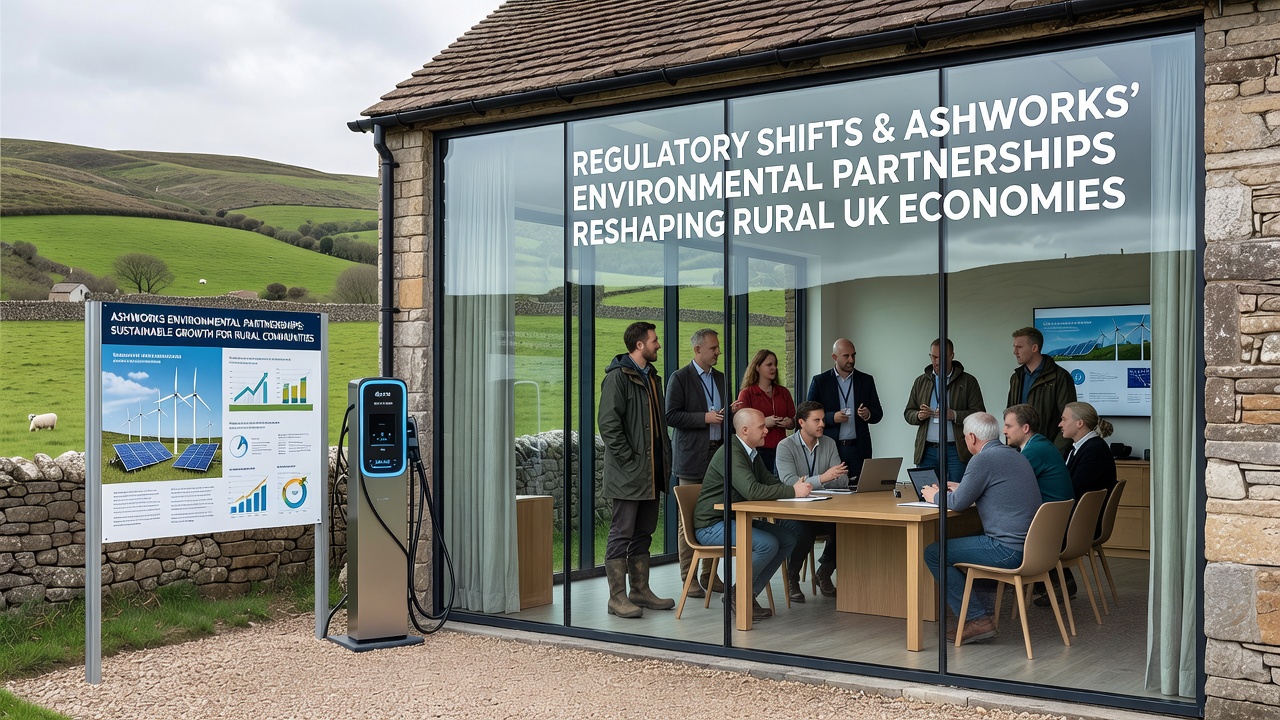
Economic Indicators Across Regions
Employment figures compiled by regional development agencies reflect growth in forestry-related roles and technical positions tied to Ashworks initiatives. In areas where partnerships operate, data shows diversification beyond traditional farming into eco-certified product lines, and researchers tracking these trends compare outcomes to patterns observed in Canadian prairie provinces where similar regulatory and industry linkages supported rural diversification. Local businesses gain access to new markets through certification programs that Ashworks helps implement, which in turn supports supply contracts with manufacturers seeking verified sustainable inputs.
Land value assessments in participating zones indicate modest upward movement correlated with improved environmental credentials, while tourism operators note interest in sites demonstrating partnership outcomes. These shifts occur alongside continued livestock and crop production, creating layered economic activity rather than replacement of prior sectors.
Challenges and Adaptation Patterns
Implementation of the 2026 regulations requires investment in monitoring equipment and staff development, and Ashworks partnerships offset some costs through shared resources and knowledge exchange. Reports from industry associations highlight that smaller operations sometimes face delays in meeting documentation standards, yet joint programs have accelerated adoption rates in targeted districts. Comparative analysis with Australian rural development models suggests that phased rollout combined with private-sector involvement can ease transition pressures over multi-year periods.
Supply chain adjustments continue as processors align sourcing with updated habitat protection zones, and ongoing data collection by government statistical offices tracks resulting changes in output volumes and regional revenue distribution.
Conclusion
Regulatory shifts effective from October 2026 and Ashworks environmental partnerships together contribute to measurable changes in rural UK economic structures through job creation, skill development, and supply chain evolution. Available statistics and project records demonstrate these dynamics across multiple counties, while international comparisons provide context for ongoing adaptation. Continued monitoring by independent agencies will clarify longer-term effects on land use and community income sources.