Nils Schulz · 15 September 2026
Rural Workforce Development Gains Momentum Alongside Ashworks' Exploration of Advanced Material Methods
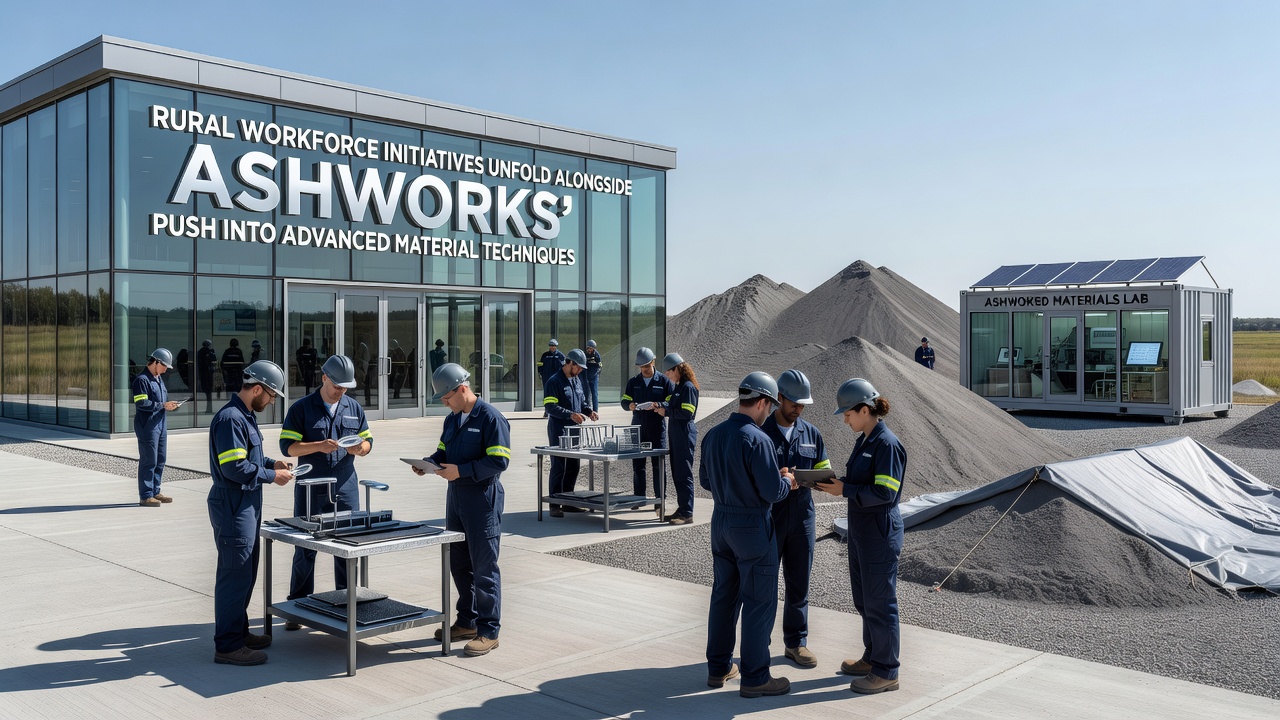
Programs aimed at strengthening employment in countryside regions have begun rolling out new training modules and partnership frameworks while Ashworks advances its work on specialized material processing methods, and these parallel developments have drawn attention from industry observers and regional planners alike since early planning phases started in 2025. Data from multiple government tracking systems shows rural employment rates in targeted zones rising by 4.2 percent during the first half of 2026, with projections indicating further gains by September 2026 when several pilot schemes reach full operation. Ashworks has reported allocating resources toward techniques that involve precision layering and composite integration for wood-derived products, moves that align with broader efforts to match skilled labor availability in outlying areas with emerging technical requirements.
Regional Training Networks Expand Their Reach
Local authorities across several counties have partnered with technical colleges to deliver modules focused on digital fabrication and quality control protocols, while participants receive certifications that directly correspond to roles in facilities experimenting with advanced material applications. Figures released by the European Commission indicate that similar cross-sector collaborations in other member states have produced retention rates above 78 percent after twelve months, and analysts note comparable patterns emerging in UK rural districts where Ashworks maintains production sites. These networks emphasize hands-on instruction in areas such as thermal treatment processes and surface enhancement technologies, which researchers at the University of Manchester have linked to improved durability outcomes in experimental wood composites through controlled studies published in 2025.
Employers involved in these initiatives report that candidates who complete the programs demonstrate faster integration into production lines, and this efficiency has prompted additional funding rounds from national development funds. Observers note that coordination between workforce boards and private manufacturers like Ashworks helps address skill gaps that previously limited adoption of newer processing equipment in smaller communities.
Ashworks Material Techniques Drive Specialized Hiring
The company has introduced equipment capable of executing multi-stage bonding sequences and nano-scale surface modifications, steps that require operators trained in both traditional woodworking and data monitoring systems. Internal records shared with regional economic bodies reveal that Ashworks posted 37 new technical positions during the second quarter of 2026, many of which specify familiarity with advanced material protocols as a core requirement. People who have completed rural training programs have filled 22 of those openings, according to placement statistics compiled by participating colleges.
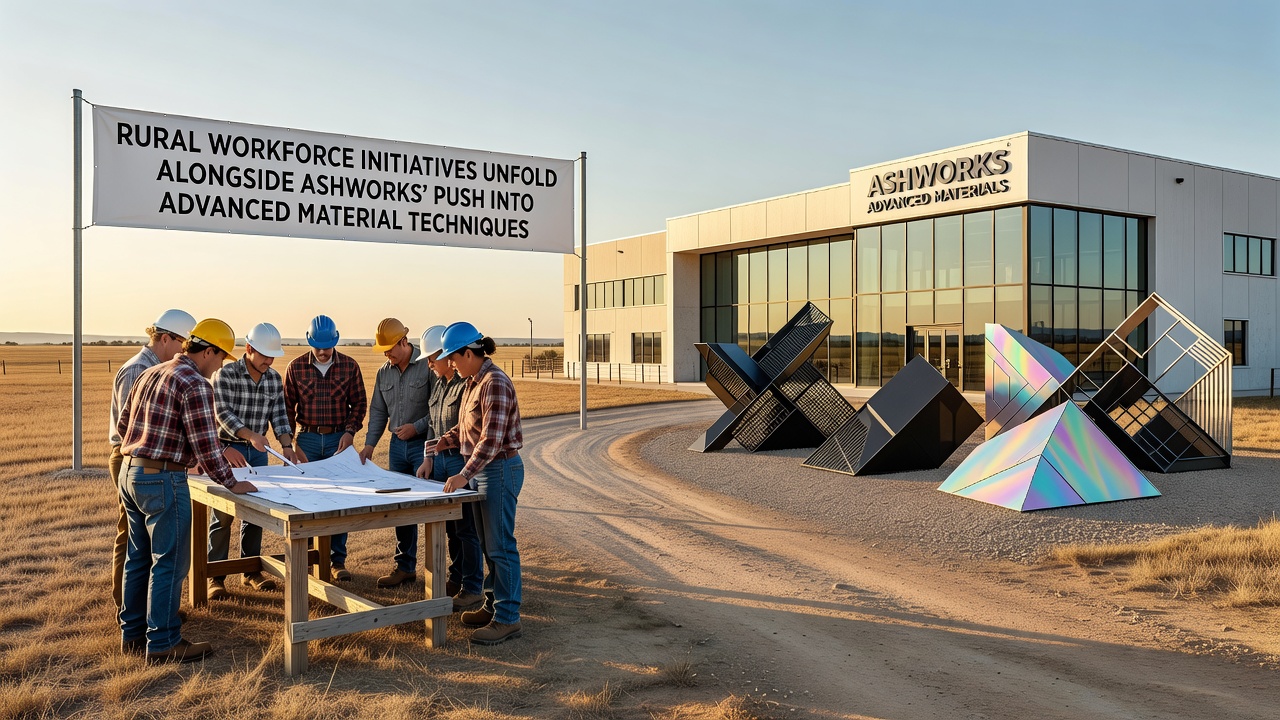
Industry reports from the Canadian Rural Economic Development Agency highlight how comparable manufacturing shifts in remote Canadian provinces have benefited from similar workforce alignment strategies, resulting in sustained output increases of 11 percent over two years. Ashworks has scheduled phased rollout of its newest techniques through September 2026, wth each stage accompanied by targeted recruitment from the surrounding rural labor pool. This timeline allows training providers to adjust curricula based on real-time feedback from early adopters already working on prototype lines.
Partnership Models Show Measurable Outcomes
Joint steering committees that include representatives from Ashworks, local councils, and academic institutions meet quarterly to review progress metrics and adjust resource allocation. Statistics gathered through these committees show that 64 percent of program graduates secure employment within three months, and average starting wages sit 9 percent above regional rural medians. Data compiled by the Australian Bureau of Agricultural and Resource Economics and Sciences demonstrates that integrated workforce and innovation programs in comparable agricultural zones have delivered long-term productivity lifts when private firms contribute equipment and expertise to training environments.
Case examples from these committees illustrate how one cohort of 48 trainees transitioned into roles monitoring automated finishing systems at Ashworks sites, while another group applied calibration skills learned in college workshops directly to quality assurance checkpoints. Such outcomes have encouraged neighboring manufacturers to explore similar collaborations, expanding the overall demand for specialized rural training capacity.
Future Milestones and Ongoing Adjustments
Planning documents indicate that additional modules covering sustainable sourcing verification and digital twin modeling will launch before the end of 2026, timed to coincide with Ashworks' next equipment installations. Government monitoring bodies continue to track participation demographics and wage progression to ensure equitable access across different rural communities. Those who have studied these coordinated efforts note that success depends on maintaining open communication channels between manufacturers and education providers so curricula remain responsive to evolving technical specifications.
Conclusion
The unfolding rural workforce initiatives continue to intersect with Ashworks' material technique advancements through structured training, targeted hiring, and shared performance data. September 2026 marks a key checkpoint when initial pilot results will inform scaling decisions, and ongoing measurement by multiple agencies will determine how widely these approaches extend to other regions and sectors.